
Curiosity
first.
A mechanical engineer sat down in front of Matrix 6.3 and decided he would never learn it. Thirteen years later he teaches it.
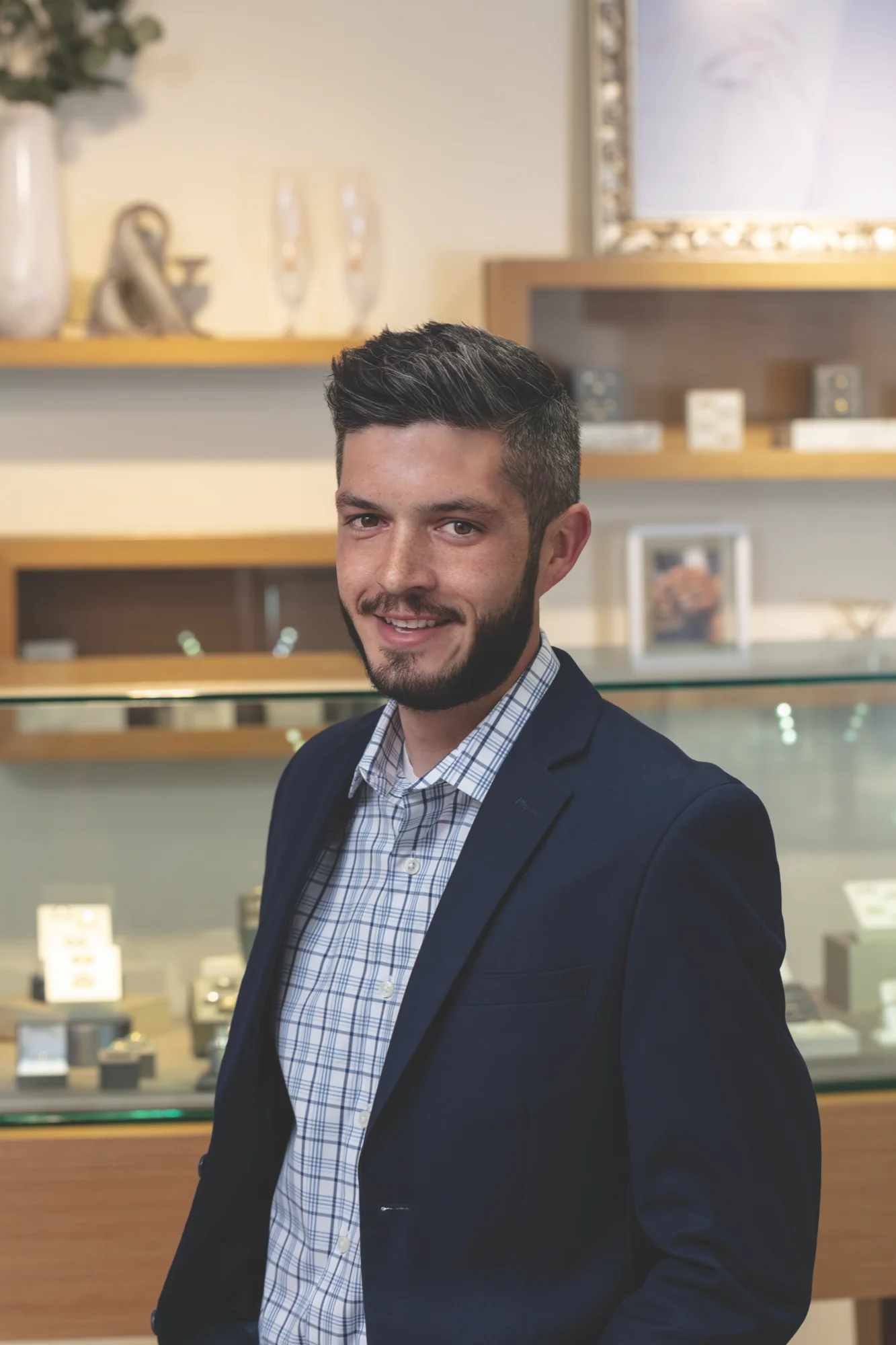
Curiosity First: A Conversation with Beau Vallot
The first morning
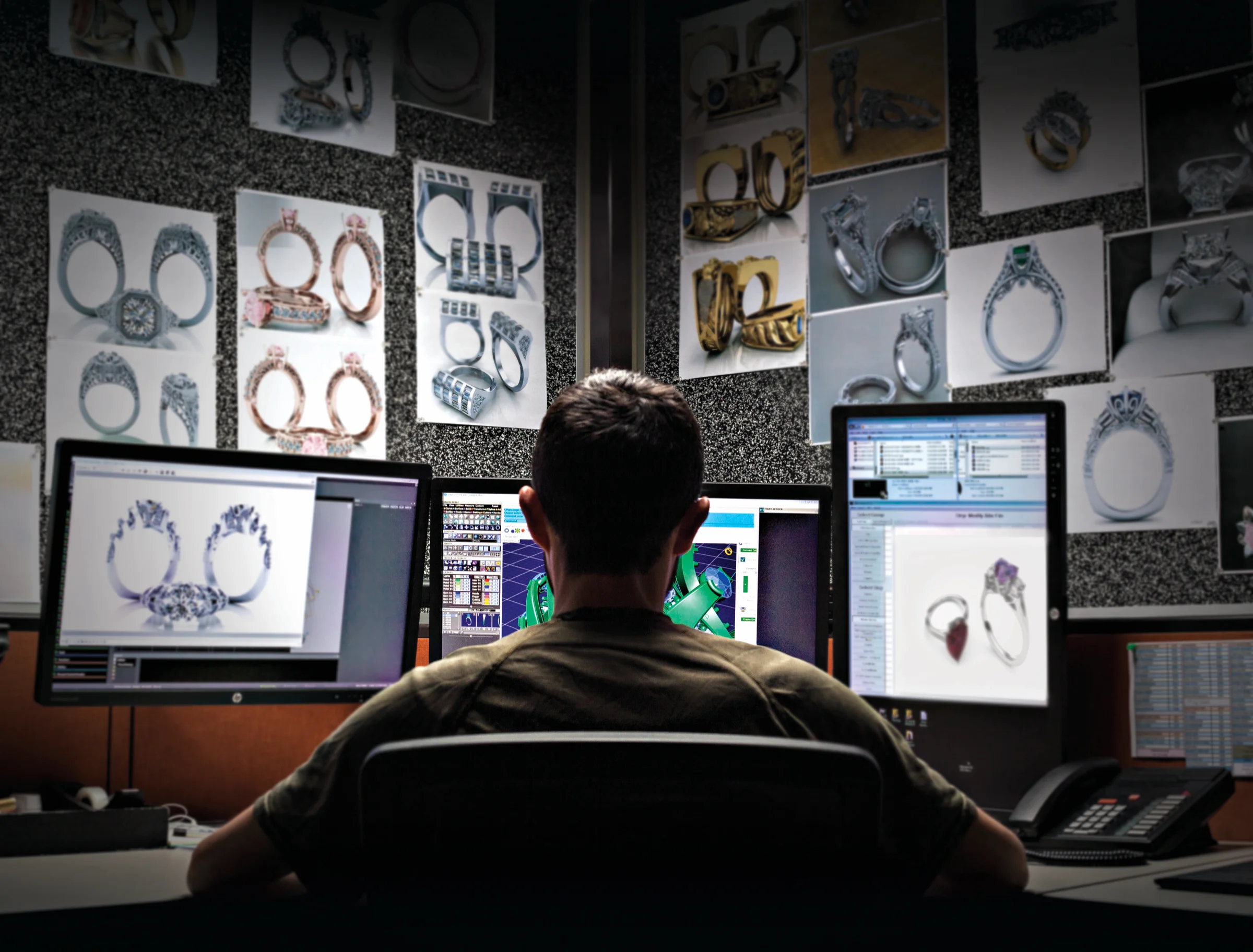
On his first morning at the job, they sat Beau Vallot down in front of Matrix 6.3 and left him there. He had a mechanical engineering degree, a background in SolidWorks and AutoCAD, and no idea what he was looking at.
"I opened it and I was like, there is no way I'm going to ever be able to learn this."
Thirteen years later he manages training at Gemvision, the software company inside Stuller. His week is spent sitting with jewellers who are having the same morning he had. We spoke for about an hour and a half in August. Quotes are his, lightly edited for clarity.
How he ended up in that chair
Nothing in Beau's plan led to jewellery. He studied mechanical engineering at Louisiana State University, which taught him CAD and tight tolerances. Through university he worked in restaurants, and he counts that as the more useful education.
"What's really cool about the service industry is that it's in the name. You're there to serve the customer."
Then Stuller came to a career fair. Not a jewellery fair, just the local one, because Stuller is among the largest employers in Louisiana. They had a 3D printer running, thirteen or fourteen years ago, when the technology had barely reached the market. He stopped in front of it.
"I was like, whoa, you can take this liquid and turn it into a solid."
He knew a little about lost wax casting from an elective. What he had never seen was the technical side pointed at jewellery. So he applied for a job he was not looking for, and got hired into CAD/CAM, the production side of custom work. The department itself had started only just before he did, so he got to grow with it.
He does not present this as a plan, because it was not one. It was a habit.
"Curiosity. My wife would beg to differ. But anytime I get something new, I take it apart just to kind of figure out how it works."
What was actually behind the buttons
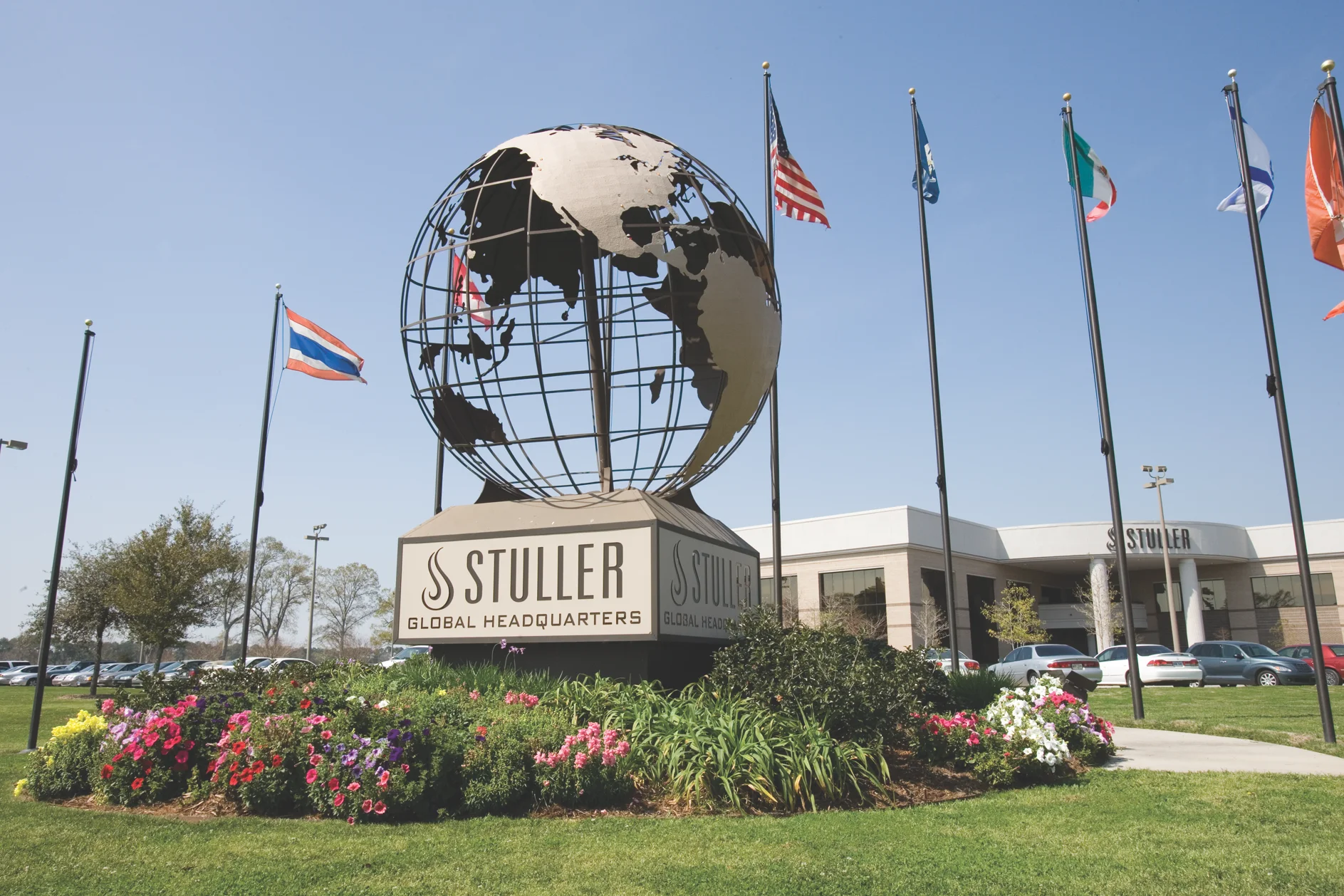
The building did not help. Stuller's facility in Lafayette runs to six hundred thousand square feet, and you can live in the city and drive past it for years without knowing what is inside. "Locally, we kind of call it the Willy Wonka's factory of jewelry."
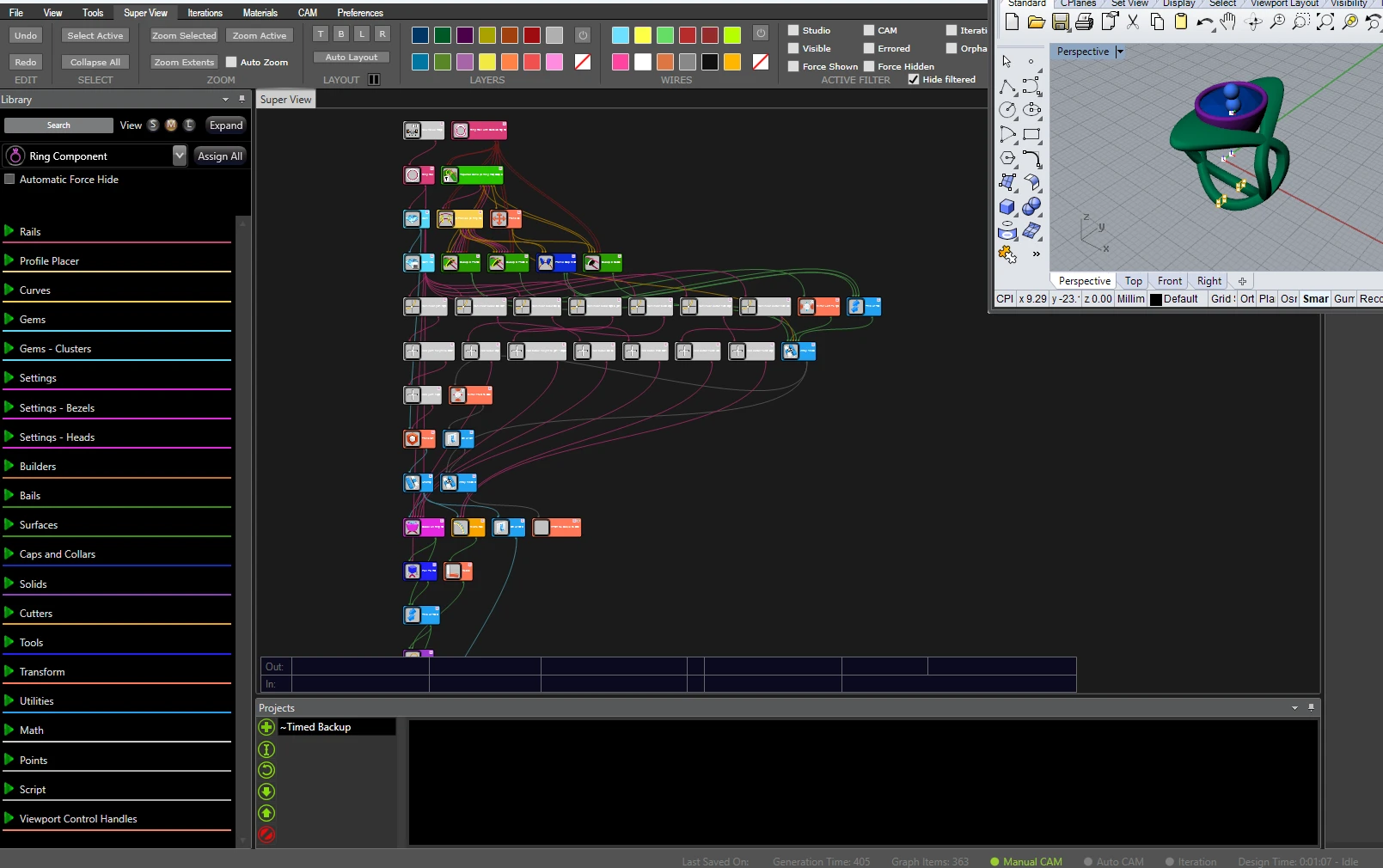
The software was worse than the building. "It was overwhelming, let's say that." What he found once he got past the interface explains why. A parametric jewellery model is not a shape, it is a rule set: every finger size, every stone shape, every metal, linked so that one change correctly changes the rest. That work happens in an internal node based system, closer to visual programming than to modelling, and it took him longer to learn than Matrix ever did. "Customers would be flabbergasted because of how much data is actually behind a single parametric model."
The software those rules power is CounterSketch, and what it does at a jewellery counter is its own story. We tell it in Selling a Ring Before It Exists. He did not just run into the complexity on day one; he later helped build some of it, including Freehand, the parts library, in his CAD/CAM years. This piece stays with the man.
Teaching people who are scared of the software
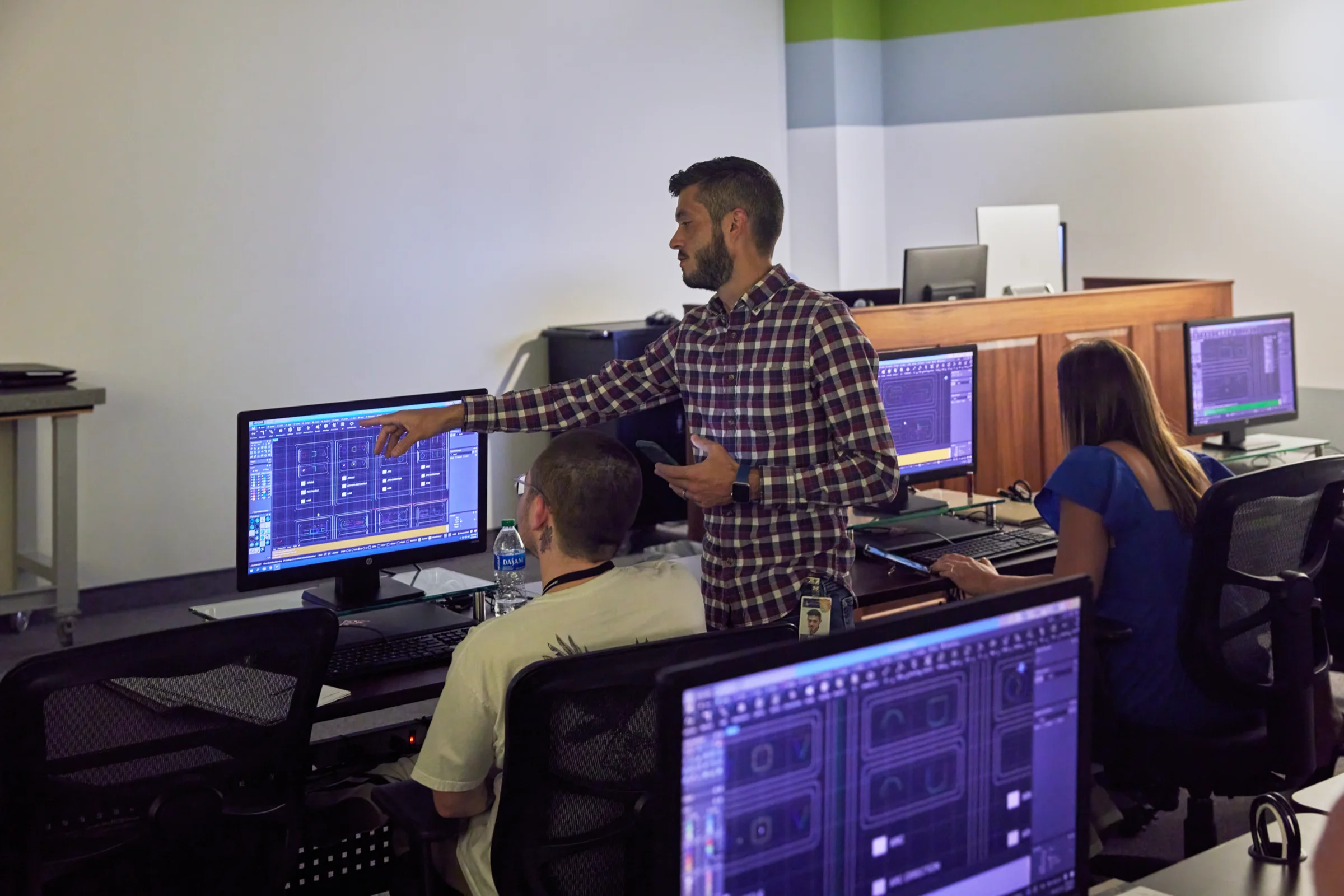
Gemvision runs about thirty people across operations, development and support. Three of them are trainers, and Beau manages that side. There is an online academy with a certificate at the end. Live training runs three to four days, virtual or in person, and he prefers in person at the Lafayette headquarters for a reason that comes straight out of his own first week.
"They might have questions that they'd be scared to ask in a group setting online."
Ask him what is genuinely difficult in this business and he does not name a feature. He names a moment at the counter: "One of the hardest parts is getting the customer to use their imagination. I see it on the computer screen, but what's it going to look like in real life?" A person being asked to trust a picture of something that does not exist yet. Which is a version of the problem Beau had on his first morning, and it is what his job turned into.
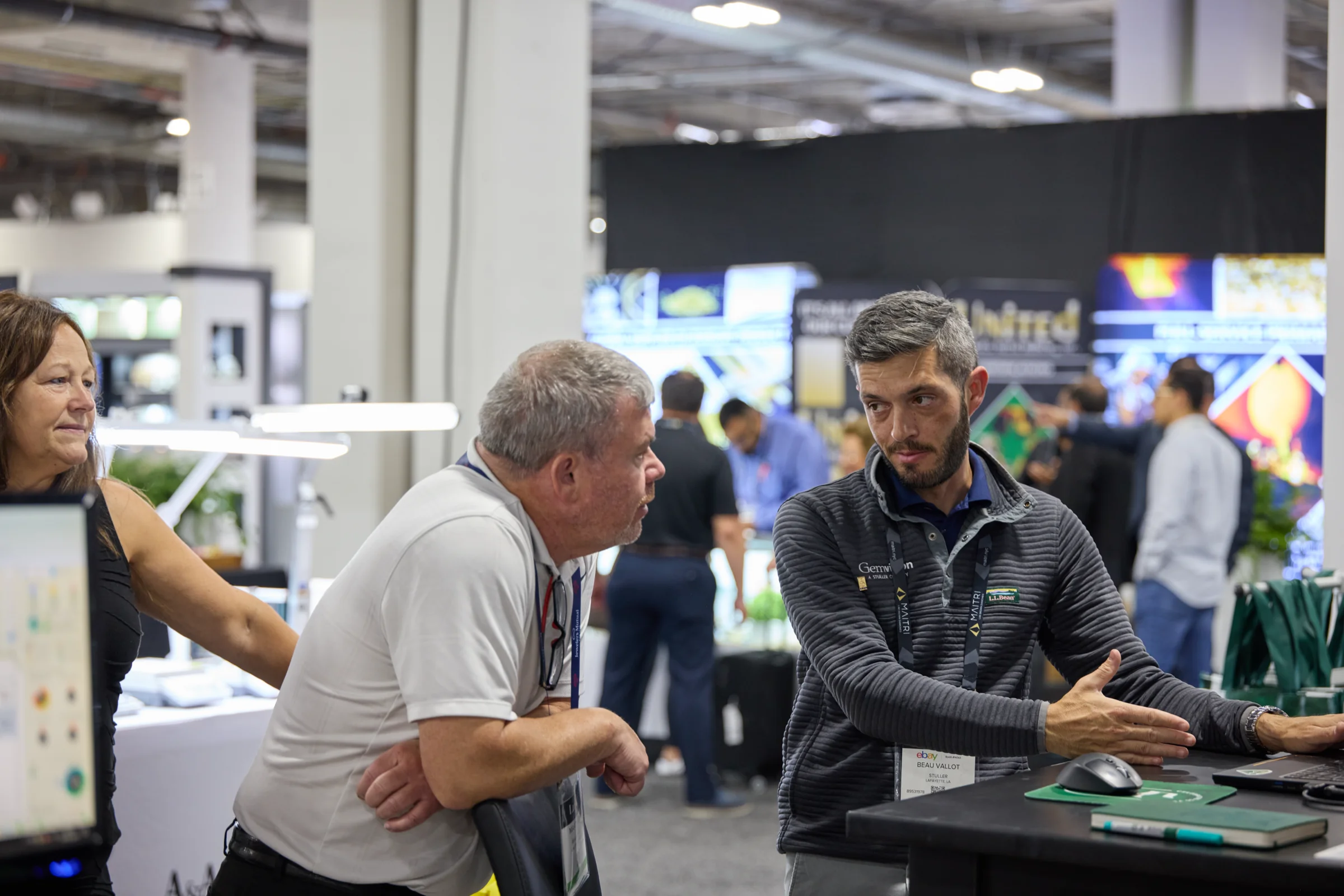
Then, early in his time as a trainer, one customer closed that distance completely. She ran a retail store, she had been struggling to keep up with the technology curve in the industry, and she had found the software on her own, bought it, and come to training. She said something to him in the session, then followed it up with a long email. Beau did not give her name, and we have not asked for it.
"Thank you so much. You have saved my business, and my life's investment."
"She was so sincere about it. And I was like, wow."
The distance between that email and a man staring at Matrix 6.3 thinking he would never learn it is thirteen years and one point of view. He had been the person in the chair. Now he builds the room around them.
AI is just a tool
Ask him about AI and the first thing you notice is what he does not do. He does not pitch. Gemvision has sat near the leading edge of technology in this trade for most of its life, and Beau wants that edge for AI too. The brakes are deliberate. "Are we going to rush something out just to say we have AI implemented in our software?" He has watched others do exactly that, just to say they have it. "I'd rather have something fully fleshed out that operates as expected and doesn't leave room for error. Not this gimmicky thing."
His examples are practical. MatrixGold is deliberately open, and the manufacturing knowledge is expected to arrive with the user. A chatbot could carry that knowledge instead: "What's the minimum thickness for the bottom of the shank? Boom. 1.8." There are plans for CounterSketch as well. He keeps them at arm's length on purpose: they are early, and he would rather promise nothing than promise something that does not ship.
Then there is the far end, the thing the whole trade circles: "The holy grail inside jewelry with AI is image to geo." A photo in, a castable model out. Nobody has it. "I don't think the technology is there yet. I don't think it's far." In the meantime he treats prompting as a craft in its own right: "Learning to prompt AI effectively is a whole other thing."
The sentence he lands on is the calmest one in the conversation. "AI is just a tool."
Curiosity has no motive
We ended the call where he started, in front of a machine he did not understand.
He is not a developer, and says so cheerfully. "I probably know enough to get myself in trouble." Real time viewers, physically based rendering, ray tracing, none of it was familiar to him. He went and found out anyway. "But having the curiosity to go out and figure out what it is, that attributes a lot to the person."
Which is the whole thirteen years. He did not get past that first screen because it stopped being difficult. He got past it because he wanted to know what was behind it, and wanting to know is a strange kind of engine. It has no goal. While it runs, the person having it disappears into the thing.
It is probably why the hour and a half went the way it did. There was a list of questions. We used almost none of it.
"I think it was great. It felt much more like a conversation than an interview."
He did not get past that first screen because it stopped being difficult. He got past it because he wanted to know what was behind it. The only motivation behind it is your curiosity to figure out what it is. There are no ulterior motives.