
Learning how
to learn.
At thirteen he was delivering newspapers in São Paulo. He learned CorelDRAW from a book in Japanese, with two dictionaries. Years later he built more than two hundred demos in three.js.

Learning How to Learn: A Conversation with Anderson Mancini
You need to work
Anderson Mancini was born and raised in São Paulo, which he calls Brazil's New York. His family was "a simple family, so a humble family," he says. When he was thirteen, his father told him to work.
"You need to work. You need to have an income, because I will not be here forever, and you need to take care of this family."
Anderson answered him: "I can barely know myself. How can I do something to make money?" But his father kept saying it, and for five to seven years Anderson delivered newspapers, took whatever job he could get, and tried to study. "At that time I couldn't understand why he had this fixation about this."
"I was really bad at school," he says. "The learning process never worked for me." When he was young, he was told he had attention deficit, and in Brazil at that time there was no treatment for it. He used to ask his father: "If I will be a delivery guy, a truck driver, why do I need physics? Why do I need math?"
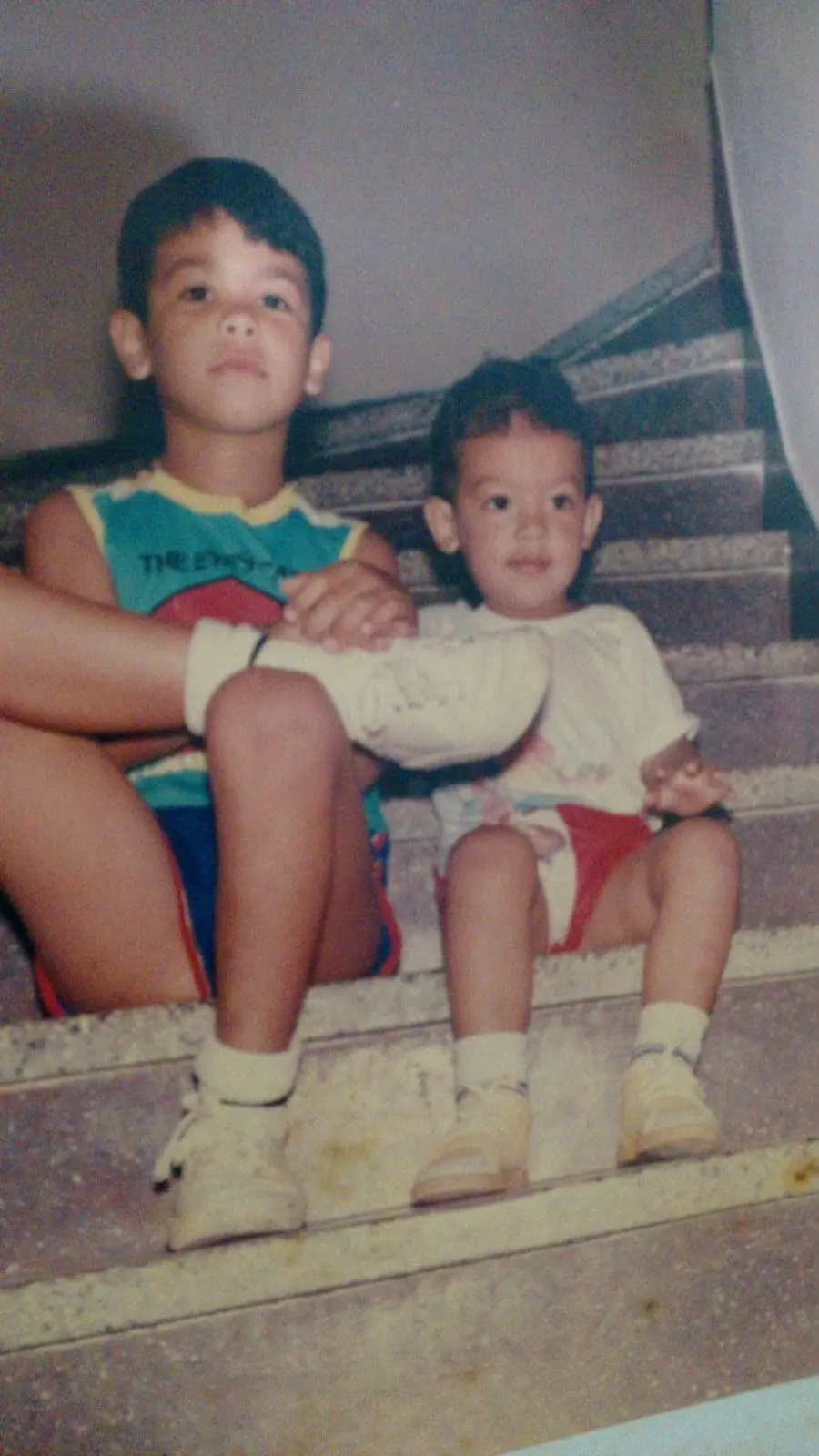
A book in Japanese
At eighteen he got his first registered job, as a courier at a copy company, and saw a computer for the first time. "They said, this is a secret machine. You can never touch this." So he watched the operator work in CorelDRAW, and one day the operator put a line of text along a path.
"Man, this is what I want to do. I love this. How can I learn to do this?"
In his library he found a book about CorelDRAW, in Japanese. He did not speak English either, so he used two dictionaries, Japanese to English and English to Portuguese. "No YouTube, no tutorial, no classes, no courses, nothing," he says. "And then this is how I learned how to learn."
The garbage computer
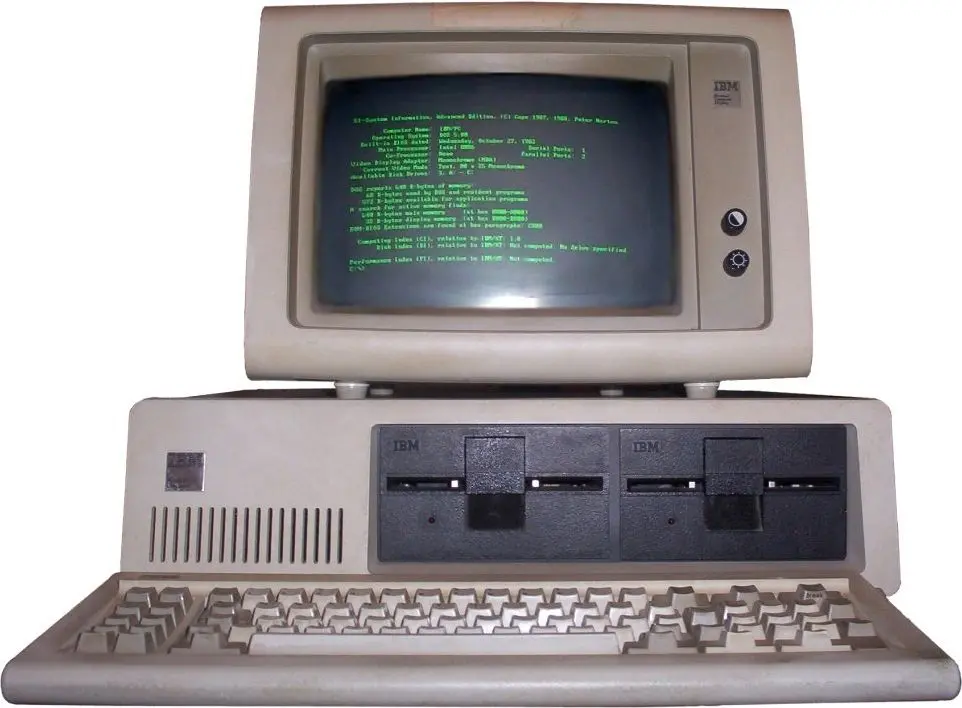
The family could not afford a computer. When his father's workplace threw out its old green screen machines, his father asked to take one home for his son. It had no hard drive. "The hard drive was actually a cassette player." Anderson wanted to make games. He typed thirty lines of BASIC to draw a circle and called his father over.
"Wow, that's awesome. But what is the purpose of this? You are in the green screen. What are you doing with your life?"

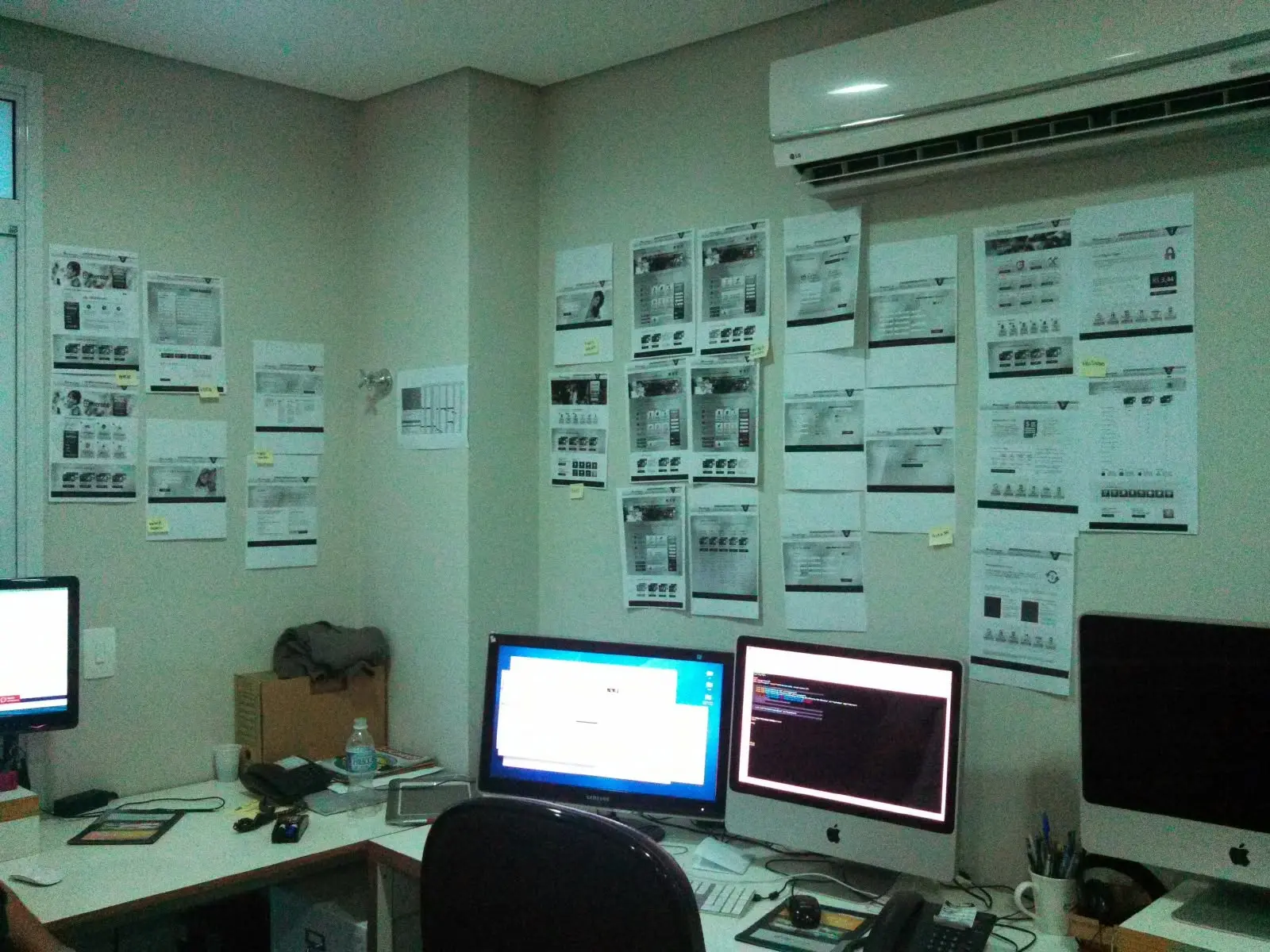
One day the operator at the copy shop was sick, and a client needed a logo printed. "I never touched that computer, but I saw him doing it multiple times." His boss asked: "You are sure you are not breaking this computer? I will kill you if you break this." Anderson printed the logo, and his boss got him a computer of his own.
A resume every single day
He stayed at the copy shop about four more years. On the early internet he found Macromedia Flash, and a Brazilian agency that made Flash websites. "I never worked in an agency in my life, so how can I approach these guys?" He sent the agency his resume every single day. It said delivery guy and copy machine operator, and not that he was learning Flash. Six months went by with no answer.
On the last day of a computer fair, he found the agency's stand as a man was packing up. Anderson told him everything, and the man asked his name.
"So you are the crazy guy sending the resume. Man, I don't have a copy machine. What I can do with you in my company?"
"No, but I'm learning Flash," Anderson said. "You should mention that," the man said, "because you never told anyone in your resume." He was the owner, and he asked Anderson to come for a test on Monday.
At the end of the test, the examiner took Anderson to the owner's office and said: "He cannot go to the client." Anderson thought: "Oh my God, I screwed up very badly." Then the examiner went on: "He needs to work here, because he knows more Flash than me."
"I had many angels in my life," Anderson says. The owner was one of them. "He believed in me when nobody else would."
The Oscar
Freelance work followed. In 2004, with two business partners, he left his job to work in his own company full time. "I am always guided by my heart," he says. It is still his work today.
Five years ago he found three.js. He had always loved 3D. "And 3D was never put food on my plate." He bought Bruno Simon's course for about a hundred dollars, and gave himself a goal that he called his Oscar.
"My Oscar will be having a project featured on the three.js homepage."
He built more than two hundred demos.

Lumen Decor Studio
Real-time decoration with light bounces. Nothing is baked.
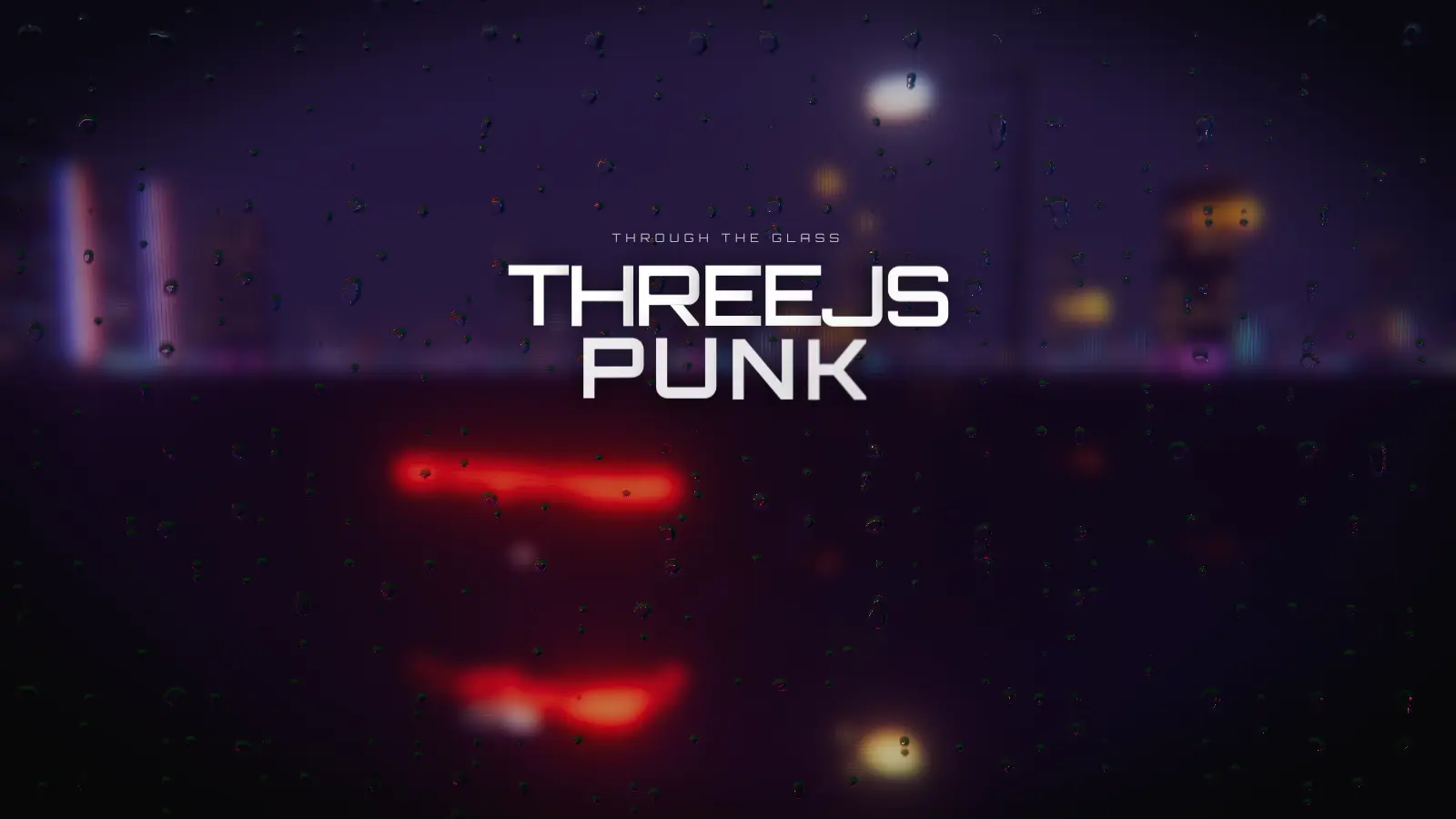
Threejs-Punk Drive
A fully featured driving game on the web, with more than 50 missions. Made with Sunag.
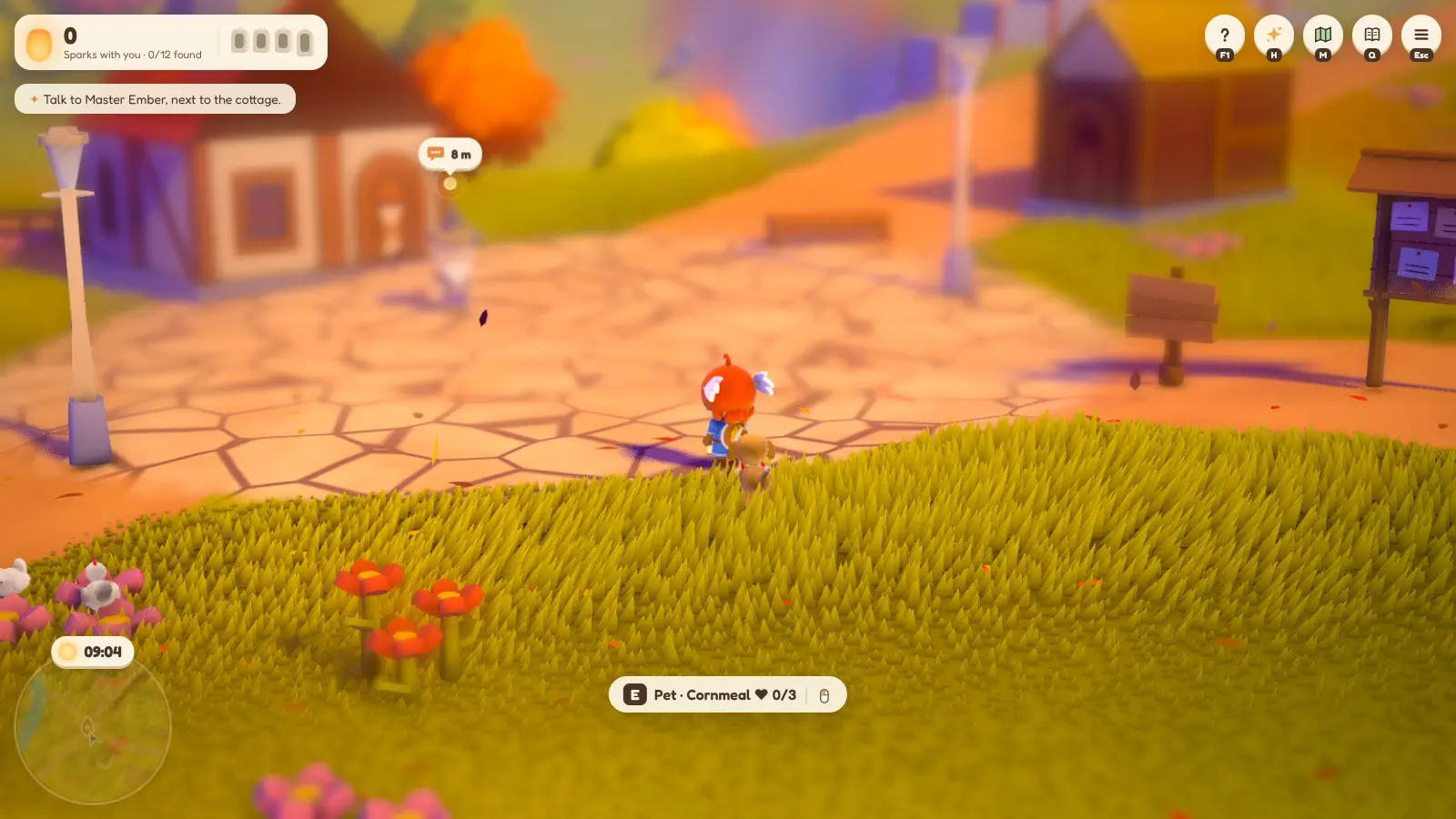
Lantern Valley
A fully featured cozy game with more than 20 hours of gameplay.
Lumen Decor Studio
Real-time decoration with light bounces. Nothing is baked.
Threejs-Punk Drive
A fully featured driving game on the web, with more than 50 missions. Made with Sunag.
Lantern Valley
A fully featured cozy game with more than 20 hours of gameplay.
Try them in a browser: Lumen Decor Studio, Threejs-Punk Drive and Lantern Valley.
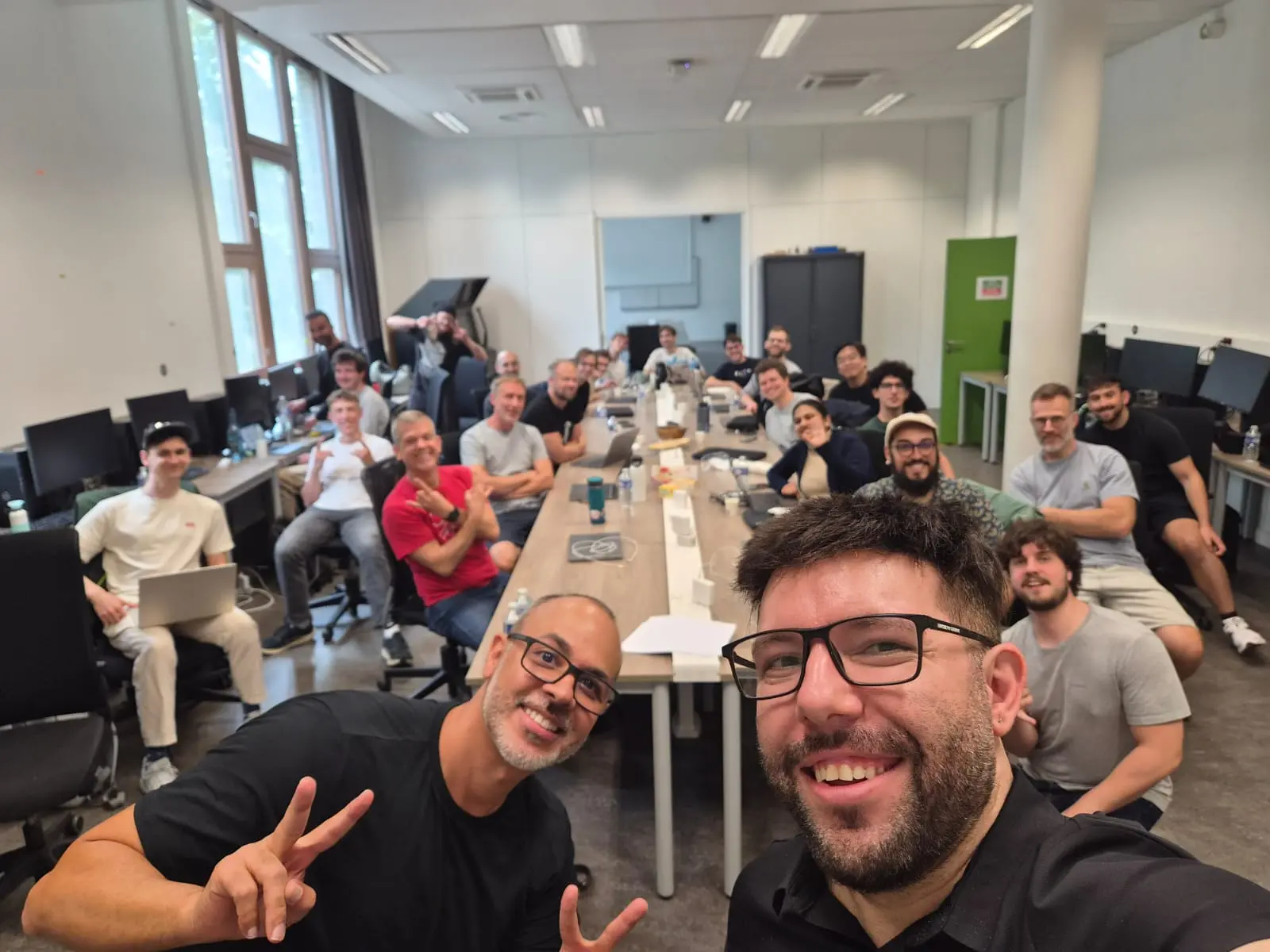
When we recorded this conversation, he was about to fly to Three.js Conf Paris, the first conference dedicated to three.js. "I don't even know how it happened. But again, I think it was passion, my own drive."
On 11 September, at the Maison de la Chimie, he gave his talk, Production Powered by WebGPU. Ricardo Cabello, who created three.js, and Bruno Simon also spoke. We met Anderson there.
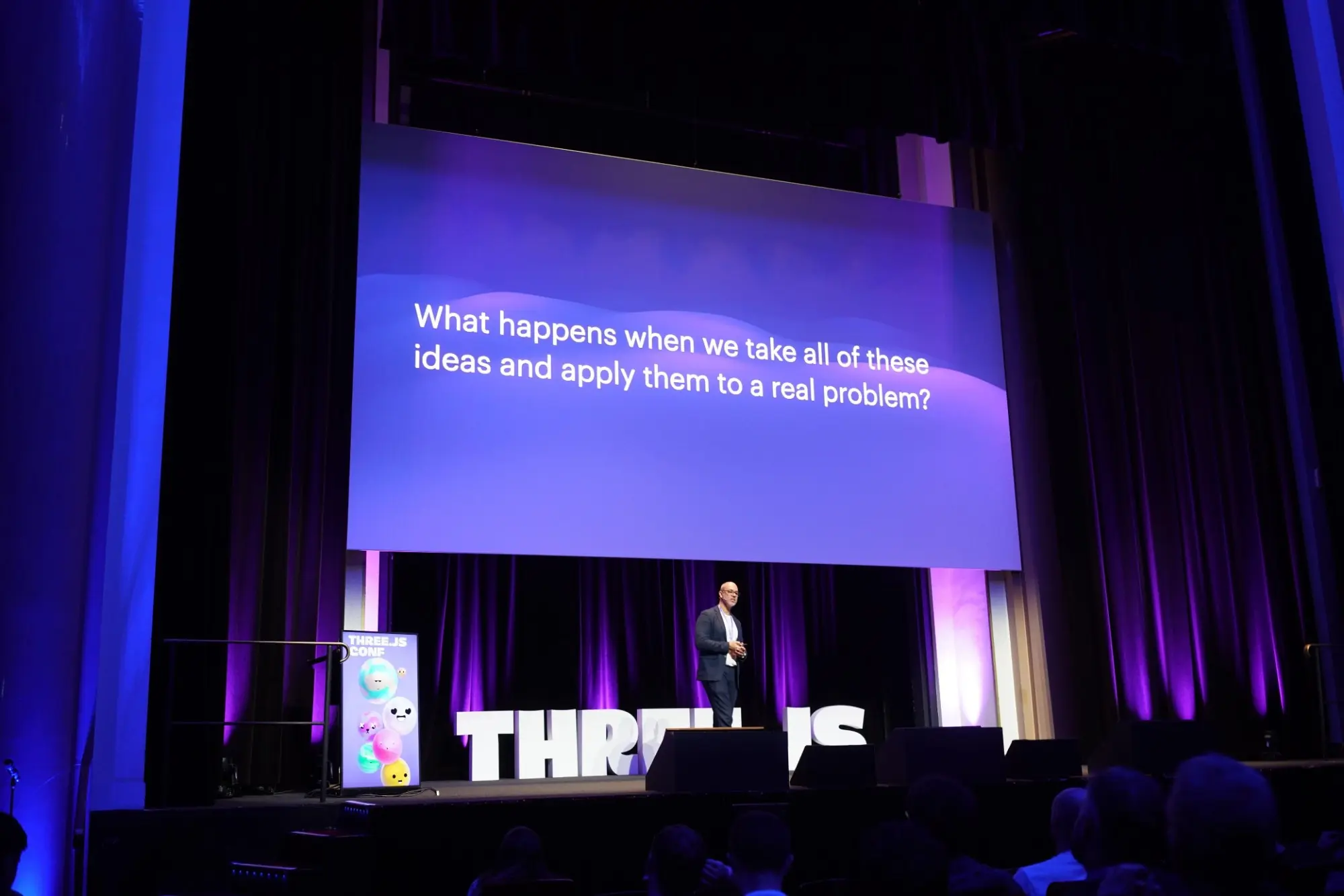
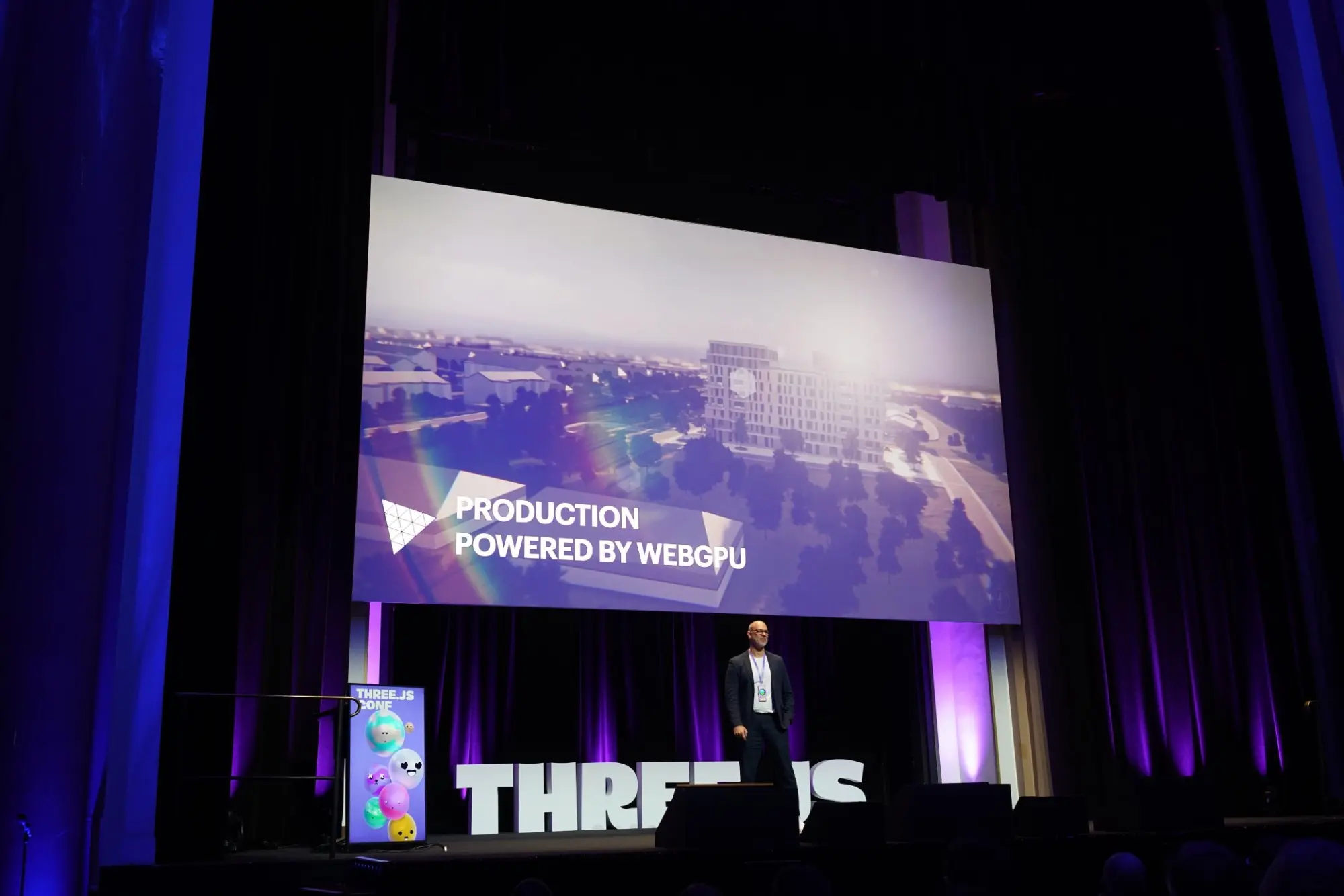
Earlier, he was trying to render diamonds in three.js when he saw a post on Twitter, he thinks, of a floor that reflected a car. "And I said, man, I need this." He wrote emails until someone offered him a call. "I brute forced myself into your life again," he tells us, "like I always did."
One of two hundred
A jewellery landing page by Neotix, Anderson’s company, made with WebGi, the rendering technology iJewel3D builds.
When he updated his portfolio, he wanted to put every single thing he had made on it. "It is impossible," he says. He kept the best hundred and fifty.
Ten days of silence
Eight years ago he went to a Vipassana course, ten days in silence. "I said, okay, I can do ten days being silent."
"In the third day I had no voice in my head, and I said, now I'm screwed. If I go back now and I don't have this voice in my head, who I will be talking to? Who I am, if I'm not that voice?"
For years that voice had been picking on him, "saying that I'm not good enough, you will never succeed." The course did not take it away. "It was not actually removed. It was actually noticed." And now, he says, "the voice is back, thanks God."
"I still flow between being fearless, and I can do whatever, and then, oh my God, I'm not good enough, and I cannot do this. But I think that's the balance. Being alive."
Blessed
As a boy he dreamed of being a truck driver. He still plays truck-driving games. "But not in real life. In real life, being a three.js developer, it's much more exciting."
It did not always feel like a blessing, he says, especially with his father. "But today I'm so blessed that he did this to me."
"I wake up every day and I say truly, thank you, God, for the life that I have, for being alive, for being able to breathe. Because every single thing is a blessing, and it is a miracle that we not always pay attention to."
Recorded about ten days before the three.js conference in Paris.